General Information
September 10, 2026
Colorado drivers know that winter driving can change quickly. A clear morning commute can turn into snow-covered roads, icy intersections, and slick mountain passes within a matter of hours. While good winter tires and four-wheel drive or all-wheel drive are important, another drivetrain component can make a significant difference in how effectively your vehicle puts power to the road: the
Colorado drivers know that winter driving can change quickly. A clear morning commute can turn into snow-covered roads, icy intersections, and slick mountain passes within a matter of hours. While good winter tires and four-wheel drive or all-wheel drive are important, another drivetrain component can make a significant difference in how effectively your vehicle puts power to the road: the limited-slip differential (LSD).
At National Differential, we rebuild and supply differentials for trucks, SUVs, and passenger vehicles, and we frequently see customers looking for better traction for Colorado’s winter conditions.

What Does a Limited-Slip Differential Do?
A standard open differential allows the two drive wheels on an axle to rotate at different speeds, which is necessary when turning. However, an open differential can become a disadvantage when one tire has substantially less traction than the other.
For example, imagine a rear-wheel-drive truck stopped on an icy road. One rear tire is sitting on relatively dry pavement while the other is sitting on ice. With an open differential, the tire with less traction can spin while the tire with better traction receives limited usable torque.
A limited-slip differential is designed to reduce this problem. When one drive wheel begins to lose traction, the differential can transfer more usable torque toward the wheel that has better traction. Chevrolet’s owner’s manuals specifically describe limited-slip differentials as providing additional traction on snow, ice, mud, sand, and gravel. (Car Manuals Online)
Why This Matters in Colorado
Colorado presents some unique winter-driving challenges. Roads can transition rapidly from dry pavement to snow and ice, particularly in the mountains and on passes. CDOT notes that road conditions can deteriorate quickly and emphasizes the importance of proper tires and traction equipment. (Colorado Department of Transportation)
A limited-slip differential can be especially helpful when:
- Pulling away from an icy intersection
- Driving through packed snow
- Climbing a snow-covered hill
- Traveling on partially cleared roads
- Driving on uneven surfaces where one tire has less traction
- Accelerating from a stop when one drive tire begins to spin
Instead of allowing one tire to do most of the spinning, an LSD helps make better use of the traction available at both drive wheels.
Limited-Slip vs. Open Differential
The difference becomes easiest to understand in a simple scenario.
Open differential:
One tire loses traction → that tire spins → limited useful power reaches the tire with traction.
Limited-slip differential:
One tire begins losing traction → the differential limits the speed difference and biases torque toward the tire with better traction → the vehicle has a better opportunity to continue moving.
This doesn’t mean an LSD makes a vehicle immune to slipping. It simply allows the drivetrain to use available traction more effectively.
Is a Limited-Slip Differential Better Than 4WD?
It’s not really an either/or decision.
A four-wheel-drive or all-wheel-drive system can distribute power between the front and rear axles, while a limited-slip differential can improve how power is distributed between the two wheels on an axle.
In other words, 4WD/AWD and an LSD can complement each other.
However, drivetrain traction doesn’t replace good tires. CDOT specifically emphasizes that winter tires are the safest option for snowy and icy conditions and notes that tires are especially important for stopping and turning. (Colorado Department of Transportation)

Tires Still Come First
A limited-slip differential can help your vehicle accelerate and maintain traction, but it cannot overcome the basic limitations of your tires.
Colorado’s current Traction Law requires qualifying tires with at least 3/16-inch tread depth and specifies acceptable winter, all-weather, or M+S tires for AWD/4WD vehicles during an active Traction Law. (Colorado Department of Transportation)
For Colorado winter driving, the best combination is often:
Good winter-rated tires + properly functioning AWD/4WD + a properly maintained limited-slip differential.
And remember: an LSD doesn’t necessarily improve braking. As the City of Colorado Springs points out, four-wheel drive may make it easier to drive on snow, but it doesn’t make the vehicle stop faster. (City of Colorado Springs)
Does Your Differential Need an Upgrade?
If your truck or SUV frequently struggles with one-wheel spin in snow, an open differential may be part of the problem. Depending on the vehicle, an appropriate limited-slip differential may be an excellent upgrade for improved traction.
At National Differential, we offer remanufactured differentials and drivetrain components for a wide range of vehicles. We can help determine what differential your vehicle uses and whether a limited-slip option is available for your application.
Before ordering, provide your VIN or complete vehicle information so the correct differential and gear ratio can be identified.
Drive Colorado Winters With Confidence
Colorado winter driving requires more than simply putting a vehicle into four-wheel drive. Proper tires, adequate tread, safe driving habits, and a drivetrain capable of effectively transferring power all work together.
A limited-slip differential won’t make an icy road safe by itself, but when combined with appropriate tires and responsible winter driving, it can provide a meaningful traction advantage when one drive wheel begins to lose grip.
If your vehicle needs a limited-slip differential or you want to determine whether one is available for your truck or SUV, National Differential can help identify the correct application and gear ratio.

Don't forget to share this post!
Related Articles
October 12, 2026
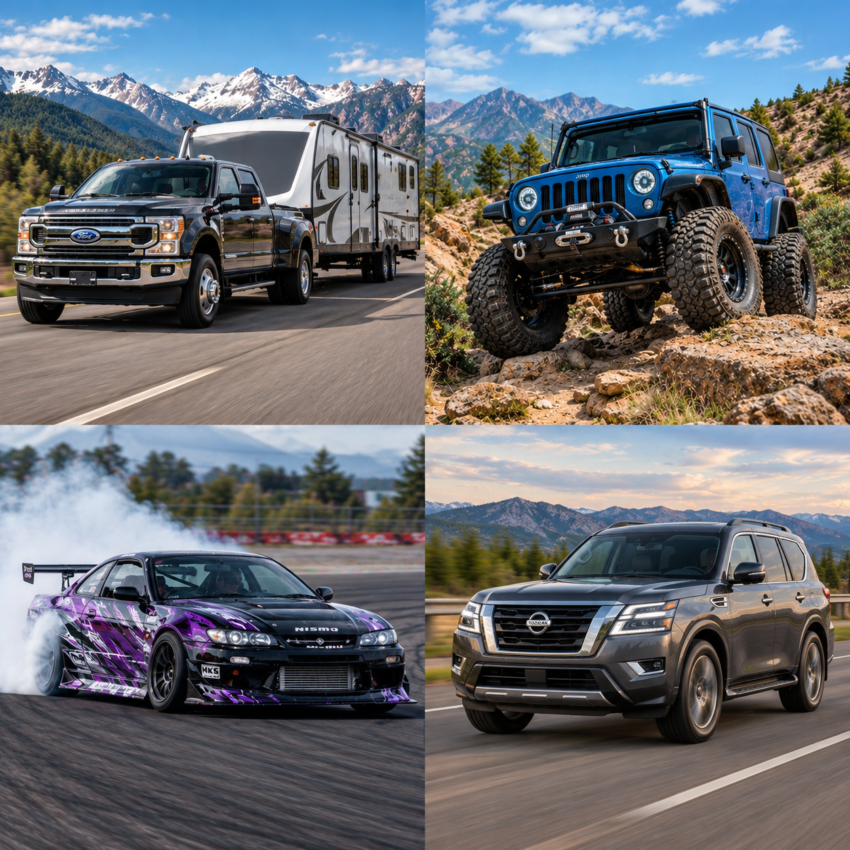
Why the Proper Gear Ratio Matters for Off-Roading, Racing, Towing, and Highway Driving
Why the Proper Gear Ratio Matters for Off-Roading, Racing, Towing, and Highway Driving When modifying a vehicle or replacing a differential, one of the most important decisions is choosing the proper gear ratio. Gear ratio affects much more than acceleration. It influences engine RPM, fuel economy, towing performance, tire size compensation, off-road capability, drivetrain stress, and how the vehicle feelsRead More
September 10, 2026
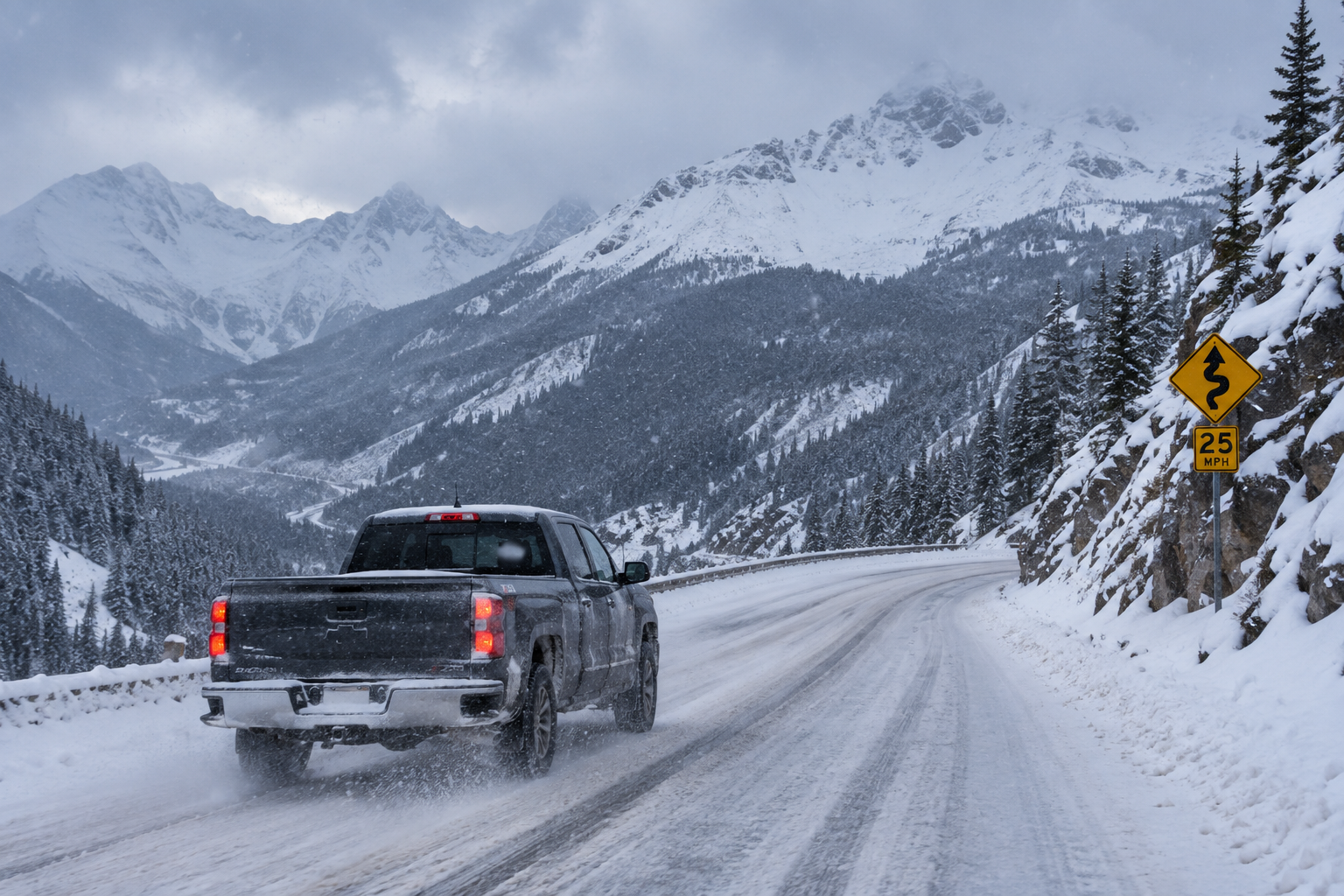
How Limited Slip Differentials Improve Traction In Colorado’s Variable Winter Conditions
Colorado drivers know that winter driving can change quickly. A clear morning commute can turn into snow-covered roads, icy intersections, and slick mountain passes within a matter of hours. While good winter tires and four-wheel drive or all-wheel drive are important, another drivetrain component can make a significant difference in how effectively your vehicle puts power to the road: theRead More
June 15, 2026
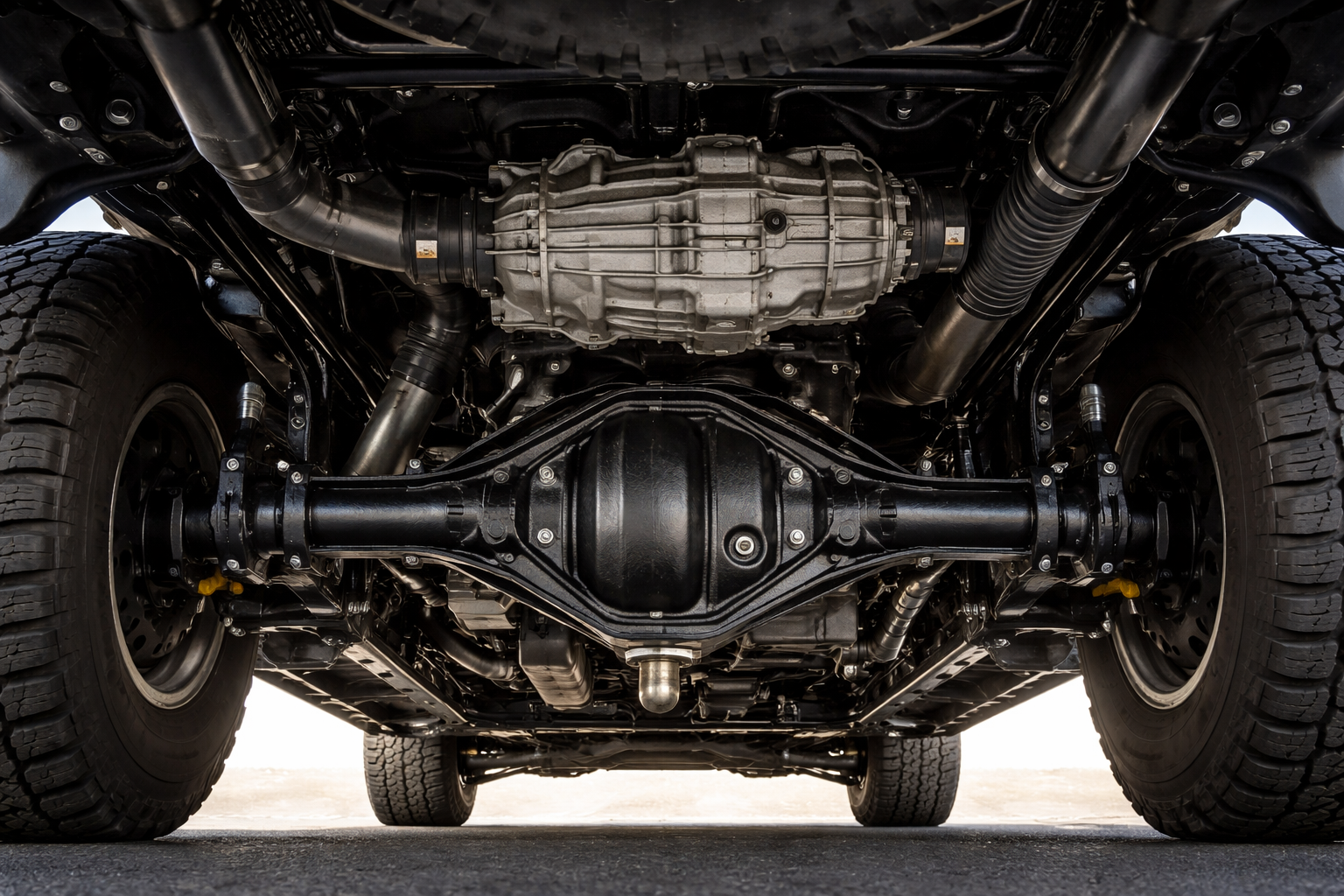
Repair or Replacement Options for a Differential or Transfer Case
What Are the Options for Buying a Differential or Transfer Case? When buying a differential there are a few different options which affect the price and build time for the newly ordered unit. Options range from bringing the truck in locally to shipping nationwide with a core charge waived up front. Typically, the price and build time are inversely correlated,Read More
DON’T WASTE TIME ON THE WRONG PARTS.
Our specialists will match you with the exact differential or transfer case you need—no guesswork.CALL (719) 725-1559