General Information
October 12, 2026
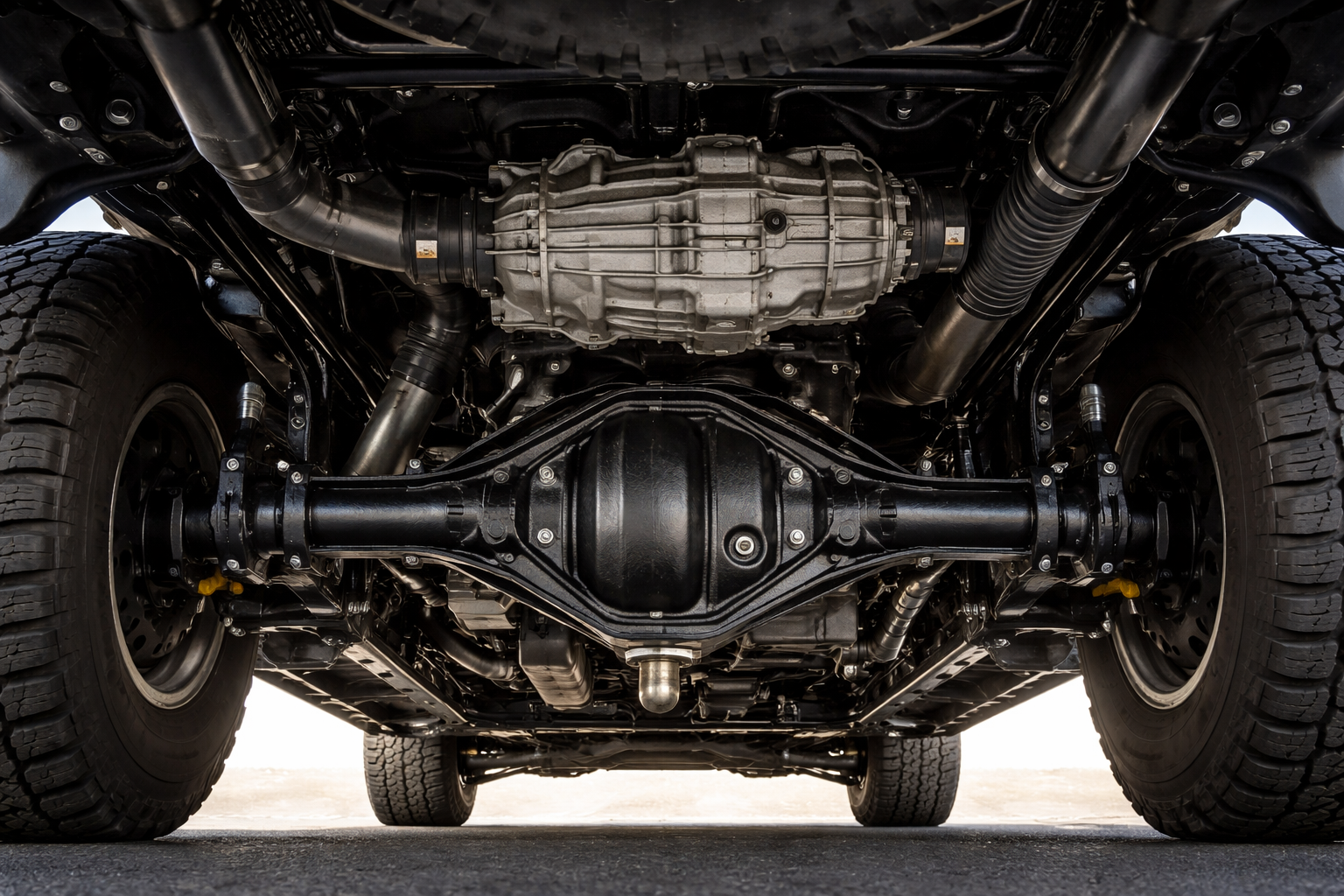
Why the Proper Gear Ratio Matters for Off-Roading, Racing, Towing, and Highway Driving When modifying a vehicle or replacing a differential, one of the most important decisions is choosing the proper gear ratio. Gear ratio affects much more than acceleration. It influences engine RPM, fuel economy, towing performance, tire size compensation, off-road capability, drivetrain stress, and how the vehicle feels
Why the Proper Gear Ratio Matters for Off-Roading, Racing, Towing, and Highway Driving
When modifying a vehicle or replacing a differential, one of the most important decisions is choosing the proper gear ratio. Gear ratio affects much more than acceleration. It influences engine RPM, fuel economy, towing performance, tire size compensation, off-road capability, drivetrain stress, and how the vehicle feels behind the wheel.
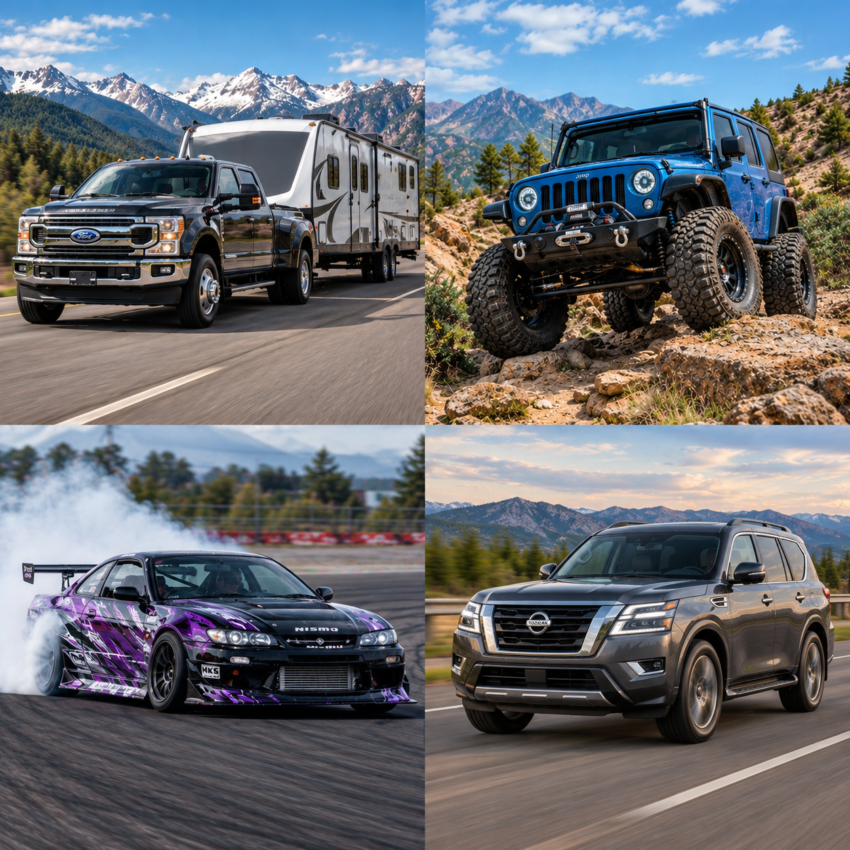
Whether you are building an off-road truck, preparing a vehicle for racing, installing larger tires, towing heavy loads, or simply driving your vehicle on the highway, selecting the right differential gear ratio can make a significant difference in performance and reliability. At National Differential we can help you determine what gear ratio is best for your uses.
What Is a Differential Gear Ratio?
The differential gear ratio describes how many times the driveshaft, or pinion gear, rotates for each complete rotation of the axle shafts and wheels.
For example, a 3.73:1 gear ratio means the driveshaft turns approximately 3.73 times for every one rotation of the axle shafts.
Common automotive gear ratios include:
- 2.73
- 3.08
- 3.23
- 3.42
- 3.55
- 3.73
- 4.10
- 4.56
- 4.88
- 5.13 and higher
Generally, a numerically higher gear ratio provides more mechanical advantage at the wheels. A numerically lower ratio generally allows lower engine RPM at highway speeds.
The important point is that there is no single gear ratio that is best for every vehicle or application. The right ratio depends on how the vehicle is equipped and how it is going to be used.
Why Gear Ratio Matters
Your vehicle’s engine produces a certain amount of torque over a range of engine speeds. The transmission and differential work together to multiply that torque and deliver it to the tires. Changing the differential ratio changes the relationship between engine RPM and wheel speed.
A higher numerical gear ratio can provide:
- Improved acceleration
- More torque multiplication at the wheels
- Better low-speed control
- Improved performance with larger tires
- Better towing capability
- Improved ability to keep the engine in its useful RPM range
A lower numerical gear ratio can provide:
- Lower engine RPM at cruising speeds
- Potentially improved highway fuel economy
- Reduced engine noise at highway speeds
- Less engine wear associated with unnecessarily high RPM
- Better suitability for vehicles primarily used for highway cruising
However, selecting a ratio is not simply a matter of choosing the highest or lowest number available. The transmission, engine, tire diameter, vehicle weight, intended use, and even the vehicle’s operating environment all need to be considered.
Off-road vehicles often benefit from a numerically higher differential gear ratio, particularly when larger-than-stock tires are installed.
Larger Tires Change Your Effective Gear Ratio
Installing larger tires effectively changes the gearing of the vehicle. For example, if a truck originally came equipped with relatively small factory tires and a 3.55 axle ratio, replacing those tires with significantly larger tires can make the vehicle feel as though it has taller gearing. The larger tire travels farther with each rotation. As a result, the engine may operate at a lower RPM for a given road speed, but the vehicle has less mechanical advantage at the tire.
This can result in:
- Slower acceleration
- Reduced low-speed torque
- More frequent transmission downshifts
- Difficulty maintaining speed on hills
- Increased transmission heat under certain conditions
- Reduced ability to crawl over obstacles
- Greater strain on the drivetrain
Re-gearing the differentials to a higher numerical ratio can help compensate for the larger tires.
Low-Speed Control
Proper gearing is especially important when rock crawling, climbing steep trails, or navigating difficult terrain. A higher numerical axle ratio gives the drivetrain more torque multiplication. This allows the vehicle to move more slowly while keeping the engine operating in an appropriate RPM range.
That can make it easier to control the vehicle when navigating:
- Rocks
- Steep inclines
- Deep mud
- Sand
- Loose gravel
- Technical trails
- Large obstacles
For serious off-road builds, the differential ratio should be considered together with the transmission’s gearing and the vehicle’s transfer case low-range gearing.
Gear Ratios for Racing and Performance Driving
Racing applications require a different approach. In performance driving, the goal is often to keep the engine operating within the portion of its RPM range where it produces the desired power and torque. A numerically higher differential ratio can allow the vehicle to accelerate more aggressively by increasing torque multiplication at the wheels. However, higher gearing isn’t automatically better for every race vehicle.
Acceleration vs. Top Speed
Changing the differential ratio involves a trade-off between acceleration and speed at a given engine RPM. A higher numerical ratio generally provides stronger acceleration but causes the engine to turn more RPM at a given vehicle speed. A lower numerical ratio generally reduces engine RPM at a given speed but may reduce the mechanical advantage available at the wheels. The ideal ratio depends heavily on the type of racing.
A vehicle optimized for:
- Drag racing
- Road racing
- Autocross
- Circle track racing
- Drifting
- Off-road racing
may require very different gearing. Transmission gear spacing, engine power band, tire diameter, track length, and desired top speed all play a role in determining the appropriate differential ratio.
Gear Ratios for Highway Driving
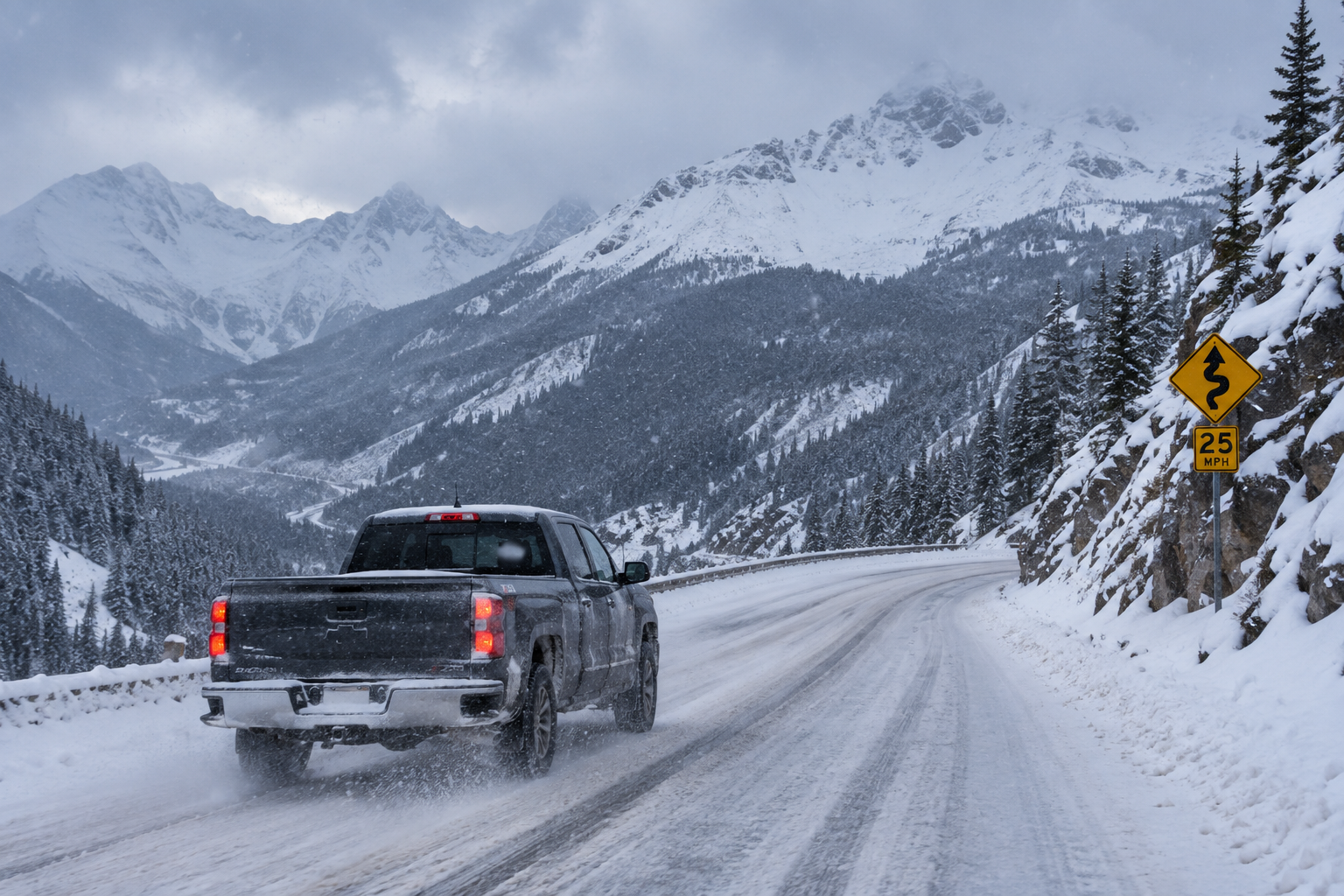
For a vehicle primarily used for highway driving, a lower numerical differential ratio may be desirable. A vehicle with an overdrive transmission and an appropriately selected axle ratio can cruise at relatively low engine RPM. This can contribute to a quieter and more relaxed driving experience.
However, there is a point where gearing becomes too tall for the vehicle. If the combination of a low numerical axle ratio and large tires causes the engine to operate below its useful power range, the vehicle may constantly require transmission downshifts to maintain speed.
This can be especially noticeable when:
- Driving through mountainous areas
- Carrying heavy loads
- Towing a trailer
- Driving into strong headwinds
- Accelerating onto highways
- Climbing long grades
The goal isn’t simply to achieve the lowest possible RPM. The goal is to put the engine in an RPM range where it can efficiently and reliably perform the work being asked of it.
Gear ratio is particularly important for trucks that tow. A trailer adds substantial weight and aerodynamic resistance. The engine therefore needs more torque at the wheels to accelerate and maintain speed.
A properly selected axle ratio can help the vehicle:
- Get moving from a stop
- Maintain speed on hills
- Reduce excessive transmission shifting
- Manage heavy loads
- Keep the engine operating within an effective RPM range
A vehicle that spends much of its time towing may benefit from different gearing than the same vehicle used primarily as an unloaded commuter. This is one reason manufacturers often offer multiple factory axle ratios for the same truck model.
How Tire Size Affects Gear Selection
Tire diameter should always be considered when selecting differential gears. As tire diameter increases, the effective gearing becomes taller. For example, a truck that was originally designed around a 30-inch tire may feel substantially different after installing 35-inch tires, even though the differential itself has not changed. A simplified way to understand the relationship is:
Effective Gear Ratio = Original Gear Ratio × Original Tire Diameter ÷ New Tire Diameter
For example, moving from a 30-inch tire to a 35-inch tire with 3.73 gears gives an approximate effective ratio of:
3.73 × 30 ÷ 35 = 3.20
In other words, the 3.73 gears can effectively behave more like approximately 3.20 gearing from a torque-multiplication standpoint. This is why re-gearing is frequently considered when installing significantly larger tires.
Front and Rear Differentials Must Match
Four-wheel-drive and all-wheel-drive vehicles require additional consideration. When a vehicle uses separate front and rear differentials, the final drive ratios need to be properly matched to the drivetrain configuration. Installing incompatible gear ratios in the front and rear axles can create drivetrain problems when four-wheel drive or a locked drivetrain configuration is engaged.
For this reason, always verify the correct axle ratio for the specific vehicle and drivetrain configuration before purchasing gears or a complete differential. VIN information, axle identification, factory specifications, and the existing differential tag or markings can all be useful when determining what was originally installed.
How to Choose the Right Gear Ratio
There are several important questions to ask before selecting a new gear ratio.
1. What is the vehicle used for?
Is it primarily:
- A daily driver
- A highway cruiser
- A tow vehicle
- An off-road vehicle
- A racing vehicle
- A combination of several uses
2. What size tires are installed?
If the vehicle has substantially larger tires than stock, the factory gear ratio may no longer provide the desired performance.
3. What transmission does the vehicle have?
Transmission gearing and differential gearing work together. An automatic transmission, manual transmission, and modern multi-speed transmission can produce very different results with the same axle ratio.
4. What engine is powering the vehicle?
Engine torque characteristics and the engine’s useful RPM range are important when determining how the vehicle should be geared.
5. How much does the vehicle weigh?
A heavy truck, heavily modified off-road vehicle, or towing rig may benefit from different gearing than a lightweight vehicle.
6. What speed does the vehicle normally travel?
A vehicle that spends most of its time at 75 mph on the highway has different requirements than a vehicle that spends most of its time crawling along a trail.
Don’t Choose Gears Based on the Number Alone
One of the most common mistakes when selecting differential gears is assuming that a higher numerical ratio is automatically better. It isn’t.
A 4.88 ratio may be appropriate for one vehicle and completely inappropriate for another. Similarly, 3.08 gears may work well for a lightweight highway vehicle but leave a heavily modified truck feeling underpowered with oversized tires.
The correct ratio is the one that works with the entire drivetrain combination. Engine + transmission + transfer case + differential + tire diameter + vehicle weight + intended use all work together. Changing one component can change what the rest of the drivetrain needs.
The Bottom Line
Your differential gear ratio has a direct effect on how your vehicle accelerates, cruises, tows, climbs, crawls, and performs under load.
For off-roading, the right gearing can provide better low-speed control and compensate for larger tires.
For racing, gearing can help keep the engine within its desired power band and change the balance between acceleration and top speed.
For highway driving, appropriate gearing can help keep engine RPM at a comfortable level while still providing enough power to maintain speed and handle hills.
For towing, the correct ratio can improve the vehicle’s ability to move and control heavy loads.
If you’re changing tire size, building an off-road vehicle, modifying a race vehicle, changing transmissions, or replacing a differential, don’t overlook the gear ratio. The right gears can make the difference between a drivetrain that feels responsive and capable and one that constantly struggles to perform the job you’re asking it to do.
At National Differential, selecting the correct differential is about more than simply finding an assembly that fits. Providing the vehicle’s VIN and vehicle information helps ensure that the correct application, configuration, and gearing are identified before the differential is ordered.
Whether you’re looking for a replacement differential, upgrading your gearing for larger tires, or building a drivetrain for a specific application, proper gear selection is an important part of getting the performance you expect from your vehicle.
To learn more about the services National Differential provides view our towing, 4×4 off-road, and racing and drifting pages. We are happy help you determine what gear ratio is best for your application. Just give us a call at (719) 725 – 1559, email at contact@natdiff.com, or visit our contact us page.
Don't forget to share this post!
Related Articles
October 12, 2026
Why the Proper Gear Ratio Matters for Off-Roading, Racing, Towing, and Highway Driving
Why the Proper Gear Ratio Matters for Off-Roading, Racing, Towing, and Highway Driving When modifying a vehicle or replacing a differential, one of the most important decisions is choosing the proper gear ratio. Gear ratio affects much more than acceleration. It influences engine RPM, fuel economy, towing performance, tire size compensation, off-road capability, drivetrain stress, and how the vehicle feelsRead More
September 10, 2026
How Limited Slip Differentials Improve Traction In Colorado’s Variable Winter Conditions
Colorado drivers know that winter driving can change quickly. A clear morning commute can turn into snow-covered roads, icy intersections, and slick mountain passes within a matter of hours. While good winter tires and four-wheel drive or all-wheel drive are important, another drivetrain component can make a significant difference in how effectively your vehicle puts power to the road: theRead More
June 15, 2026
Repair or Replacement Options for a Differential or Transfer Case
What Are the Options for Buying a Differential or Transfer Case? When buying a differential there are a few different options which affect the price and build time for the newly ordered unit. Options range from bringing the truck in locally to shipping nationwide with a core charge waived up front. Typically, the price and build time are inversely correlated,Read More
DON’T WASTE TIME ON THE WRONG PARTS.
Our specialists will match you with the exact differential or transfer case you need—no guesswork.CALL (719) 725-1559